Key Takeaways
- Begin every excavation with a current utility locate request and clearly defined work limits.
- Treat paint marks and flags as approximate indicators that still require field verification.
- Use controlled test holes to confirm utility position and depth before mechanical digging near marked lines.
- Plan equipment placement, trench protection, weather response, traffic control, and crew communication together.
- Pause work when site conditions no longer match the approved plan.
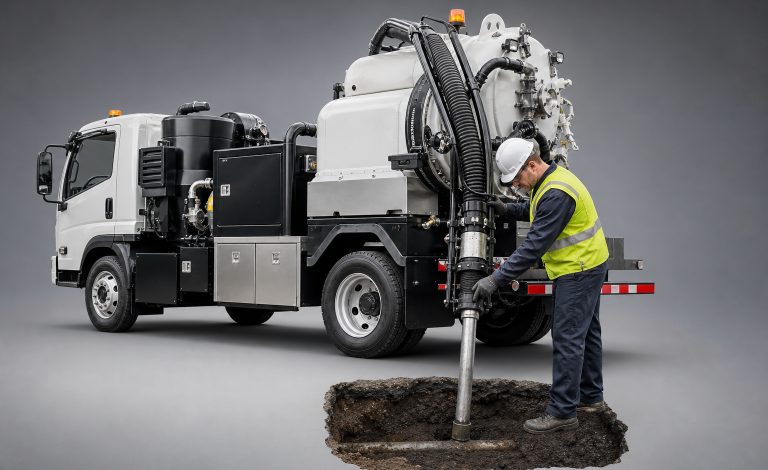
Detroit excavation projects often unfold in compact, active spaces where aging infrastructure, sidewalks, traffic lanes, storefronts, parked vehicles, and nearby homes all compete for room. Whether the work involves a utility repair, new service connection, foundation preparation, or site improvement, planning must account for what is visible above ground and what may be buried below it. Carefully planned hydro excavation services in Detroit can be useful when crews need to expose underground utilities with more control in congested areas.
The safest approach starts before equipment arrives. A current locate request, a detailed site walk, clear crew roles, and a practical traffic plan help Detroit contractors and property owners reduce uncertainty without disrupting neighboring businesses, residents, or pedestrians more than necessary.
Why Detroit Job Sites Need a Different Plan
A Detroit work zone may have very little unused space. A repair beside an active commercial entrance, for example, can require room for a truck, hoses, barriers, spoil material, workers, customers, and emergency access at the same time. Limited access affects where equipment can sit, how workers move through the area, and whether pedestrians can stay safely separated from excavation activity. Detroit’s dense neighborhoods and mixed-use corridors mean that excavation crews must often work around established foot traffic, parked cars, and active business operations in ways that suburban or rural projects do not require.


Fast production is not a substitute for a workable layout. Before digging, establish equipment positions, protected walking routes, material storage areas, and a clear route for vehicles that must enter or leave the site.
Start With Records and a Site Walk
Review available drawings, prior project notes, permits, and utility information, then walk the entire planned work area. Look for manholes, utility boxes, meters, poles, valve covers, service entrances, pavement patches, and other clues that may indicate buried infrastructure. The work area described in the locate request should cover the full excavation zone, including planned test holes and access points.
Michigan guidance explains that people planning to dig must contact MISS DIG 811 at least three working days before digging. Do not begin until the expected utility responses have been received and the site conditions have been reviewed.
Confirm Marks Before Breaking Ground
Utility marks provide a starting point, not an exact map of depth or alignment. Preserve paint, flags, and stakes throughout the project, and request refreshed markings if rain, traffic, grading, or other activity makes them unclear.
Simple Field Checklist
- Verify the locate ticket date and the stated excavation limits.
- Confirm responses from expected utility owners.
- Compare visible marks with records and site observations.
- Identify conflicts, no-dig areas, and points that require verification.
- Review the plan with the full crew before excavation begins.
Use Test Holes to Verify Utility Locations
Daylighting, potholing, and test-hole work describe the process of making a small, controlled opening to locate a buried line. This can help confirm where a utility is located and how deep it sits before trenching, drilling, or installing foundations nearby. The appropriate method depends on soil conditions, line type, depth, access, and the project requirements.
In a crowded Detroit corridor, test holes can reduce guesswork where several utility paths may cross. Mechanical excavation should not proceed near a marked utility until the crew has followed the applicable safe-dig procedures and verified conditions in the field.
Choose Equipment Around the Work Zone
Select equipment for the realities of the site, not simply its maximum digging capacity. Consider truck footprint, boom reach, hose length, vacuum capacity, water pressure, noise, and the space required for barriers and workers. A smaller setup may offer better control where alleys, driveways, narrow lots, or active sidewalks limit access.
Keep equipment, spoil material, hoses, and storage containers arranged so they do not block emergency routes or force pedestrians toward the excavation. Establish a clear exclusion area around moving equipment, and use a spotter whenever visibility is restricted.
Build a Crew Communication Plan
Assign responsibilities before each shift. The plan should identify the competent person, equipment operator, spotter, traffic-control lead, and the person responsible for contacting utilities or emergency services if conditions change. Use one set of hand signals or radio commands so workers do not have to interpret conflicting directions.
A short pre-task meeting should cover the day’s work limits, marked utilities, traffic controls, weather, emergency procedures, and stop-work triggers. New water, damaged marks, soil movement, poor visibility, or unexpected debris should prompt an immediate review.
Protect Workers Inside and Around Excavations
Excavations can expose workers to cave-ins, falling material, standing water, hazardous atmospheres, nearby equipment, and traffic. OSHA identifies cave-ins as the greatest risk to workers in trenches and emphasizes protective methods such as sloping, benching, shoring, or shielding, along with safe entry and exit and regular inspections. Trench safety practices should be incorporated into the site-specific plan before anyone enters an excavation.
Keep excavated material and equipment back from the edge, provide safe access points, and have a competent person inspect the excavation before entry and after changing conditions. Rain, vibration, nearby utility activity, or freeze-thaw cycles can alter soil stability.
Plan for Detroit Weather, Traffic, and Community Access
Detroit weather can change site conditions quickly. Rain can soften soil, obscure markings, and create standing water. Winter work can involve frozen ground, ice, reduced daylight, and slower movement around equipment. Inspect access routes, trench walls, edges, lighting, and traction after heavy rain or significant temperature changes.
Traffic and pedestrian management also matter. Use appropriate barriers, signs, lighting, and flagging where needed, while maintaining access for emergency vehicles and building occupants. Notify nearby businesses and property owners about expected work hours, driveway impacts, and temporary route changes so people are less likely to enter a restricted area unexpectedly.
Know When to Stop Work
Stop work if an unmarked line appears, utility marks conflict with field conditions, soil cracks or shifts, water enters unexpectedly, or workers cannot remain outside the danger area. Gas odors, hissing, sparks, damaged cables, or any suspected utility strike require the area to be secured and people moved away.
The basic response is straightforward: stop excavation, secure the area, keep people clear, notify the appropriate utility or emergency contact, document what was found, and resume only after the condition has been evaluated and the plan is updated.
Common Questions About Utility Digging in Detroit
Are utility marks exact?
No. Marks indicate an approximate location. Crews should verify the utility before mechanical excavation near the marked area.
Does a small project still need a locate request?
Yes. Fence posts, landscaping, signs, mailbox installations, and shallow holes can still encounter buried utility lines.
Who should inspect a trench?
A trained competent person should inspect conditions before entry and whenever weather, water, soil, or job-site conditions change.
Final Field Checklist for Detroit Excavation
- Define the excavation area and work limits.
- Submit the required locate request.
- Review records and walk the site.
- Confirm responses and protect the markings.
- Identify test-hole locations.
- Choose equipment that fits the available access.
- Assign crew roles and stop-work procedures.
- Set up traffic and pedestrian controls.
- Inspect soil, weather, and excavation conditions.
- Document changes before work continues.