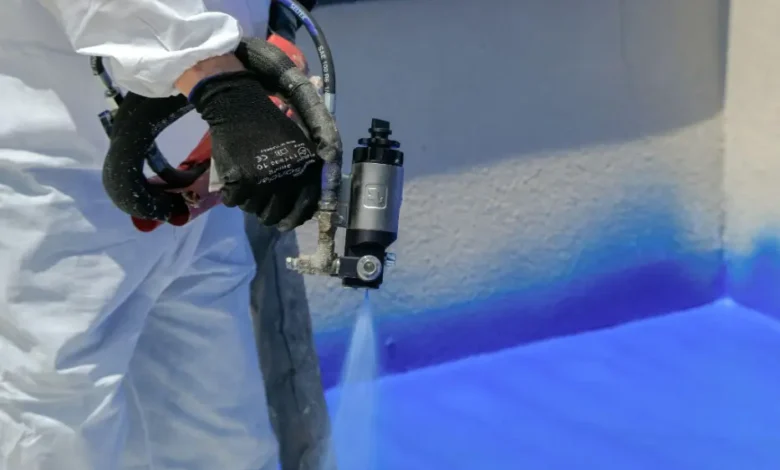
Buildings face regular rain, sunlight, moisture, and other stresses. This may lead to deterioration of roofs, floors, balconies, and concrete surfaces. Polyurethane coatings can prevent this damage and provide protection by forming a strong, water- and weather-resistant film.
Nevertheless, they come with certain costs and requirements. Awareness of the benefits and limitations may help one to evaluate the usefulness of the material.
What Are Polyurethane Coatings?
Polyurethane coatings are materials made from polyurethane resin. They coat surfaces such as concrete, metals, and various other building surfaces. The properties offered by polyurethane coatings depend on the formula used and include waterproofing, flexibility, chemical resistance, and abrasion resistance.
Contractors apply these coatings to roof surfaces, balconies, terraces, parking lots, and other concrete surfaces. They can also be used for waterproofing applications to prevent water infiltration into buildings.
Advantages
Polyurethane coatings offer advantages that make them suitable for protecting buildings.
1. Water Protection
The primary advantage of these coatings is their moisture protection properties. When applied correctly, they create an unbroken moisture barrier. As a result, they can be used on roofs, balconies, and terraces exposed to moisture. With proper selection of PU waterproofing systems, leaks may be reduced.
2. Flexibility
Polyurethane coatings will retain flexibility even after curing. Some coating formulations can accommodate slight surface movement and bridge small surface cracks. This flexibility makes polyurethane coatings ideal for concrete surfaces subjected to fluctuating temperatures.
3. Durability
Polyurethane coatings resist abrasion, chemicals, and weathering. These qualities make the coatings suitable for surfaces frequently subjected to foot traffic.
Disadvantages
While polyurethane paints offer several advantages, they also have disadvantages.
- Increased cost: They can be costly compared to other protective paints, depending on the formula and specifications.
- Proper surface preparation: The surfaces should be clean and dry before application.
- Environmental factors: Certain environmental factors influence the curing process.
- Safety issues: Use safety equipment and precautions because of the chemicals used.
Such considerations make appropriate product selection crucial.
Is the Cost Worth It?
When it comes to protecting a building from water and surface damage, polyurethane paint coatings can definitely justify the investment. Although the cost is usually higher than other paints, proper application can reduce maintenance and prevent expensive repairs.
The questions to be asked before the selection are as follows:
- Project needs: Determine whether the material needs protection from water, abrasion, or just a simple protective layer.
- Exposure conditions: Consider rain, sun, chemicals, and foot traffic.
- Material properties: Examine the thickness, flexibility, bonding strength, and weather resistance.
- Maintenance considerations: Learn about inspection frequency and coating application.
Check whether the product fits within its scope.
How to Enhance Coatings’ Performance
Proper installation helps coatings perform as designed. Clean the surface of dirt, grease, and other loose materials before application. Repair any cracks and follow the manufacturer’s surface-moisture specifications. Apply the required number of coatings and primers at the required thickness.
Wrapping Up
Polyurethane paint provides flexibility, waterproofing, and toughness for various construction uses. Although it may involve a high upfront cost, it can be a wise choice because of its protective properties. Compare products based on features, installation costs, and maintenance. Talk to an expert about the most suitable option for you.