Selling a Home in Jacksonville, NC: How Timing, Condition, and Local Demand Shape Your Options

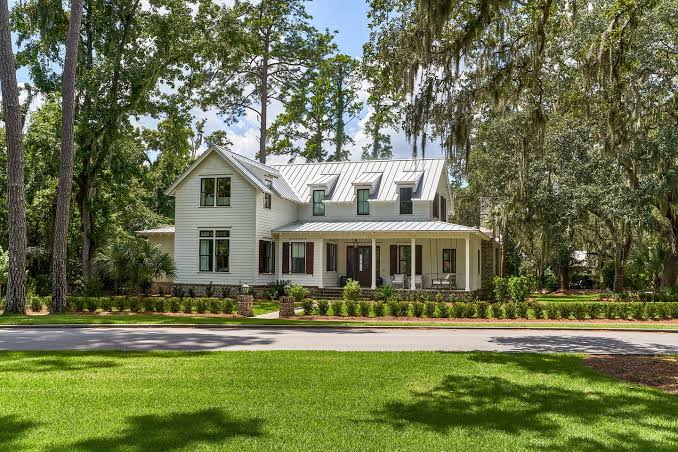
Selling a home in Jacksonville, North Carolina can look very different from one neighborhood, price range, or property condition to the next. Homeowners weighing a traditional listing, a private sale, or an as-is transaction can compare their options through https://northshorecashoffer.com/we-buy-houses-jacksonville-nc/ while considering their timeline, repair budget, and expected proceeds.
Why Jacksonville Sellers Need a Clear Plan
Jacksonville’s connection to Camp Lejeune, nearby employment, rental housing, and coastal eastern North Carolina can create several different buyer pools. A move related to military orders may require a fast closing, while a buyer looking for a primary residence may place more weight on condition, layout, school access, or commute time. The same citywide trend can affect a well-kept home in Northwoods differently than a property needing substantial work in another area.


Current market reports show buyers have more homes to compare than they did a year earlier. In October 2026, the Jacksonville metro area had 1,252 active listings, up 20.6 percent year over year, while the median time on market was 72 days. The October 2026 Jacksonville housing snapshot also reported that about one in five active listings had a price reduction. Those figures are a useful starting point, but sellers should check fresh neighborhood-level data immediately before listing.
Some owners prefer support with a quick comparison of possible sale paths, especially when repairs, an inherited property, or a tight moving deadline is involved. North Shore Cash Offers is one local option homeowners may consider alongside an agent-assisted listing or a direct sale to someone they already know.
When Is a Good Time to Sell in Jacksonville?
There is no perfect month for every seller. Spring and summer can bring more activity, including relocations and family moves, but they can also bring more competing listings. Fall may provide less competition in certain price ranges, while winter buyers may be fewer but more motivated. A seller facing a job change, mortgage pressure, estate deadline, or military relocation may benefit more from certainty than from waiting for a seasonal advantage.
Should You Repair the Home Before Listing?
Focus first on issues that could concern buyers during a walkthrough or inspection. Active leaks, unsafe steps, broken locks, damaged doors, poor lighting, strong odors, clutter, and neglected exterior maintenance can make a home feel harder to maintain. Fresh paint in worn rooms, a clean porch, trimmed landscaping, and a tidy driveway can improve first impressions without requiring a complete renovation.
Large kitchen remodels, luxury finishes, room additions, and extensive landscaping deserve more caution. They require time, contractor coordination, and upfront money that may not be recovered in the final sale price. Before starting a significant project, get more than one estimate and compare the likely benefit with the cost of delaying the sale.
How to Price a Jacksonville Home Without Guesswork
- Review recent nearby sales with similar size, age, lot, and layout.
- Compare active listings that buyers can see today.
- Adjust for meaningful differences, such as a garage, an updated roof, a pool, an addition, or a known repair issue.
- Price for the property’s actual condition instead of relying only on an online estimate.
- Monitor showings and feedback after the listing goes live.
An overly ambitious asking price can lead to fewer serious showings and later price cuts. Pricing too low without a clear strategy can also reduce proceeds. A realistic price should reflect both the home’s strengths and the buyer’s likely cost to address any deferred maintenance.
Estimate Net Proceeds Before Choosing a Selling Method
The highest offer is not always the best offer. Start with the expected sale price, then subtract the mortgage payoff, repair expenses, commissions, if applicable, closing charges, taxes, insurance, utilities, moving costs, and expenses associated with holding the property longer. A higher offer with a repair request, a financing contingency, and a delayed closing may yield less cash than a somewhat lower offer with cleaner terms.
The following comparison can help sellers frame the decision:
| Selling Path | May Fit Best When | Potential Trade-Offs |
| Traditional listing | The home is market-ready and time allows for broad exposure. | Showings, negotiations, repairs, and financing delays may occur. |
| Private sale | The seller knows a qualified buyer. | Contracts, title work, disclosures, and pricing still need careful attention. |
| As-is sale | The property needs work, or the seller values speed and simplicity. | Offers may account for repair costs and buyer risk. |
Situations That Can Change the Timeline
Inherited homes, tenant-occupied rentals, divorce, missed mortgage payments, vacant properties, storm damage, mold concerns, and ownership disputes can all add steps to the closing process. Coastal weather and drainage concerns may also make buyers ask detailed questions about prior water intrusion, insurance, and repairs. Sellers should gather loan statements, tax records, deeds, surveys, repair receipts, warranties, insurance details, HOA information, leases, and any probate or court documents early.
Most North Carolina sellers of residential one- to four-unit properties are generally required to provide disclosure forms before an offer is made, subject to limited statutory exceptions. The North Carolina Real Estate Commission explains the state’s seller disclosure requirements, including the Residential Property and Owners’ Association Disclosure Statement and the mineral and oil-and-gas rights disclosure. A real estate attorney can help with liens, probate, boundary questions, and title concerns.
See also: Thinking About Air Duct Cleaning This Winter? Here Are a Few Things Worth Knowing
Questions to Ask Before Accepting an Offer
- Is the buyer using financing, and is the offer contingent on an appraisal or sale of another property?
- How much earnest money is being deposited?
- What repairs, credits, or personal property are being requested?
- Who will handle closing, and which costs will the seller pay?
- Can the closing date work with moving plans and the next housing arrangement?
- What is the estimated amount the seller will receive after all deductions?
Frequently Asked Questions
How long does it take to sell a home in Jacksonville?
The timeline depends on price, condition, competing inventory, buyer financing, inspections, title work, and the closing date in the contract. Local market averages are guides, not promises for an individual property.
Is it better to sell as-is or make repairs?
An as-is sale may make sense when the home needs major work, or the seller needs a simpler timeline. Basic preparation may be worthwhile when it addresses visible defects that could discourage otherwise qualified buyers.
What are common seller mistakes?
Common problems include pricing based on emotion, starting expensive renovations without a budget, ignoring known defects, delaying title research, and choosing an offer solely because it has the highest number. A written estimate of proceeds and an early document review can prevent costly surprises.
Final Checklist for Jacksonville Sellers
- Set a target sale and move date.
- Review current competing listings and recent comparable sales.
- Identify needed repairs and obtain realistic estimates.
- Gather ownership, loan, insurance, tax, and repair documents.
- Compare selling methods by likely net proceeds and timing.
- Review every offer for contingencies, closing costs, and practical risk.
Selling a Jacksonville, NC, home in 2026 calls for realistic pricing, honest assessments of the home’s condition, and a plan that fits the seller’s next step. A careful comparison of timing, costs, documents, and offer terms can help homeowners choose a path with fewer surprises.