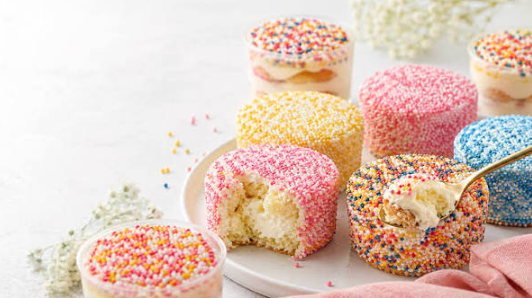
For anyone who bakes often, buying small packets of sprinkles soon becomes expensive and wasteful. Home bakers who decorate every weekend, cafes that top doughnuts daily, and small bakeries that finish dozens of cupcakes each morning all use far more than a single packet holds. Buying in larger quantities can cut the cost per bake, reduce packaging and make sure the topping is always on hand when it is needed.
Working Out How Much You Need
The first step is to measure your actual use, rather than guessing. For one week, note how many bakes you decorate and roughly how much topping each one takes. A single cupcake needs only a pinch, while a large celebration cake can take a small handful. A cafe that finishes fifty doughnuts a day will use far more than a home baker who makes a tray of cookies at the weekend.
Once you have a weekly figure, multiply it by the number of weeks you want the supply to last. Most toppings keep well for several months when stored properly, so buying a two or three month supply is usually sensible. Buying a full year at once may save a little more, but it ties up money and shelf space, and the colours may fade before the last of it is used. A practical approach is to start with a modest pack of bulk jimmies see how quickly it is used, and then adjust the next order.


Choosing a Supplier You Can Trust
Price matters, but it should not be the only factor. A very cheap product may have uneven colouring, pieces that vary in size, or a shorter shelf life. Look for a supplier that gives clear information about ingredients, allergens and best-before dates, and that packs the product in a way that protects it during delivery. Reading reviews from other bakers is a good way to judge consistency, since a supplier that is reliable once may not be reliable every time.
Delivery and packaging deserve attention too. Larger orders should arrive in sturdy, sealed containers rather than loose bags that can split in transit. A supplier that offers a range of pack sizes is also useful, because your needs may change with the seasons. For a dependable option in the classic rod shape, many bakers order a large pack when they want a generous supply of a versatile topping that works across cakes, cupcakes and doughnuts.
Storage That Keeps Colour and Crunch
Large quantities are only a bargain if they stay in good condition. Moisture is the main enemy. It makes the pieces sticky, clumps them together and causes colours to bleed. Heat and sunlight are also harmful, since they fade bright colours over time. The best storage is a cool, dry cupboard, away from the oven and the sink.
Transfer the topping from a large sack into smaller airtight jars or containers as soon as it arrives. This has two benefits. First, the main supply stays sealed and protected. Second, daily use becomes easier, because you only open a small jar at a time instead of exposing the whole stock to humid kitchen air. Label each jar with the colour and the date it was opened, so nothing is forgotten at the back of a shelf.
Portioning, Hygiene and Everyday Use
Good portion control saves money. Instead of pouring from the packet, use a small scoop or a measuring spoon. This keeps the amount consistent from one bake to the next and makes it easier to cost each item accurately. For a small business, that consistency matters, because the decoration is part of the product and the cost should be predictable.
Hygiene is equally important when a large container is shared. Always use a clean, dry scoop, and never return unused pieces to the main container once they have been handled or scattered over a work surface. If you decorate at a market stall or a fair, keep the containers covered between uses so dust and moisture cannot get in.
Frequently Asked Questions
1. How long do sprinkles last once the pack is opened?
When they are kept sealed, cool and dry, most sprinkles stay in good condition for many months, and the packet will state a best-before date. Once opened, transfer the contents to an airtight jar and use them within a few months for the best colour and texture. If the pieces feel sticky, smell unusual or have lost their colour, it is time to replace them.
2. Is buying in larger packs really cheaper?
Usually, yes. The price per gram falls as the pack size rises, and you also save on delivery costs and packaging. The saving is only real if the product is used before it goes stale, so buy a size that matches your actual use. A home baker who decorates once a week may do better with a medium pack, while a cafe will benefit from a much larger one.
3. Can I mix colours to create my own blend?
Yes, and many bakers do. Mixing two or three plain colours gives a custom blend that suits a particular event or brand. Use clean, dry containers, mix in small batches, and note the proportions so you can repeat the blend later. Avoid mixing very dark colours with very pale ones in the same jar for long storage, since the darker pieces can stain the lighter ones.
Conclusion
Buying sprinkles in larger quantities is a simple way for regular bakers and small businesses to save money and stay organised. Start by measuring how much you actually use, choose a supplier that is open about ingredients and packaging, and store the topping in small airtight jars in a cool, dry place. Use a scoop to keep portions consistent, keep the containers clean, and order a little extra before busy seasons. With those habits, a large pack becomes a practical tool rather than a cluttered shelf, and every cake, cupcake and doughnut will have its finishing touch ready when it is needed.