
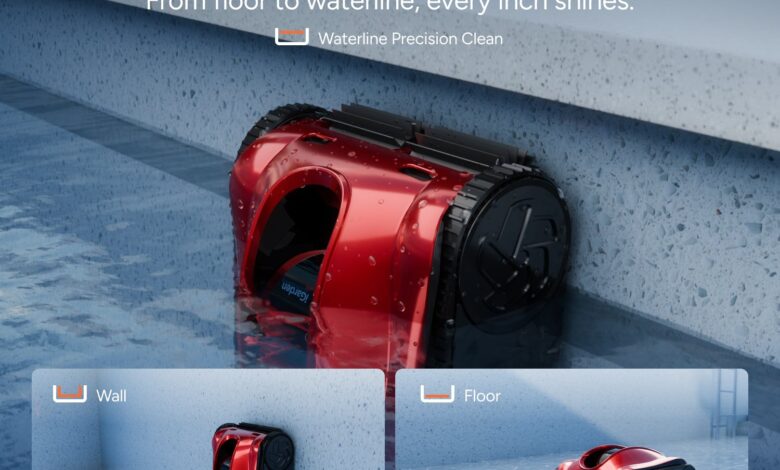
Spending your weekend hunched over a pool with a manual vacuum, scrubbing walls, and fishing out debris is nobody’s idea of relaxation. For many homeowners, what should be a backyard oasis becomes a source of endless maintenance headaches — hours lost each week to brushing, skimming, and battling algae buildup. Enter the robotic pool cleaner, a device that handles the dirty work autonomously while you reclaim your free time. But here’s the challenge: the market is flooded with options ranging from compact cordless units to powerful corded machines, each promising sparkling results. How do you cut through the noise and find the one that actually suits your pool? This guide breaks down the essential factors — pool type, key features, budget, and maintenance integration — so you can make a confident, informed decision. By the end, you’ll know exactly which pool cleaning robot matches your specific setup, delivering efficiency without the guesswork.
Understanding Your Options: Types of Robotic Pool Cleaners
A robotic pool cleaner is a self-contained, electric-powered unit that operates independently from your pool’s filtration system. Unlike suction-side cleaners that rely on your pump’s power or pressure-side models that need a booster pump, robotic cleaners carry their own motors, filtration, and navigation systems — making them the most efficient and least taxing on your existing equipment.
Within the robotic category, two primary types dominate the market. Cordless pool cleaners run on rechargeable batteries, offering hassle-free setup with no tangling cables. They’re lightweight, easy to deploy, and particularly well-suited for smaller pools or above-ground setups where quick cleaning sessions get the job done. The trade-off is limited battery runtime, typically requiring recharging between cycles. Corded robotic pool cleaners draw continuous power from an outlet, delivering longer run times and stronger suction — ideal for larger in-ground pools that demand extended cleaning cycles across greater surface area.


Some models are engineered specifically for above-ground pools with softer liners and shallower depths, while others tackle the complex geometry of in-ground designs. Consider your pool’s layout, size, and available power access to narrow down which type serves you best.
Key Features to Look For in a Pool Cleaning Robot
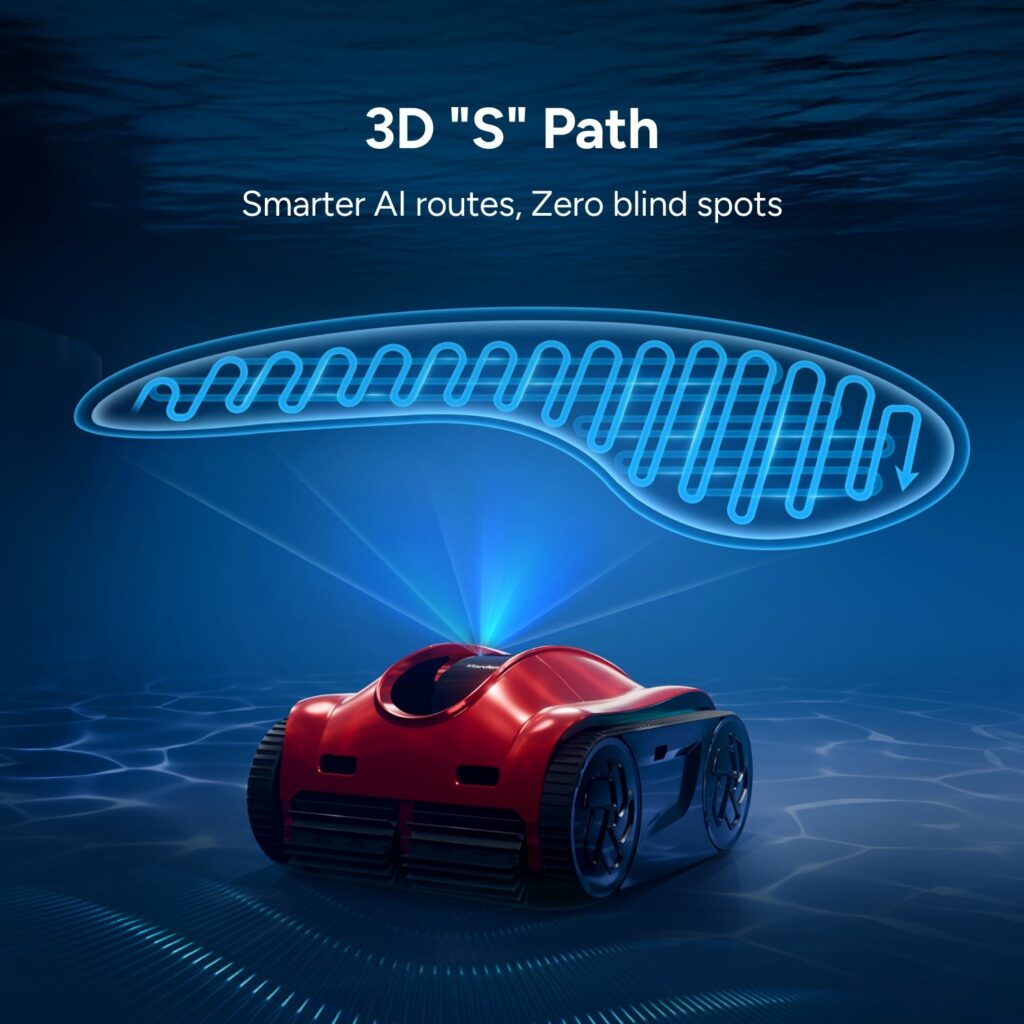
Not all robotic pool cleaners perform equally, and the difference often comes down to a handful of critical features. Navigation technology tops the list — models with smart mapping algorithms clean in efficient, systematic patterns that cover every inch of your pool’s floor, walls, and waterline. Random-pattern cleaners cost less but may miss spots or take longer to complete a cycle. The filtration system matters just as much: fine-mesh cartridge filters trap particles down to two microns, capturing algae and pollen that bag-based systems might miss, and top-loading canisters make rinsing quick and mess-free.
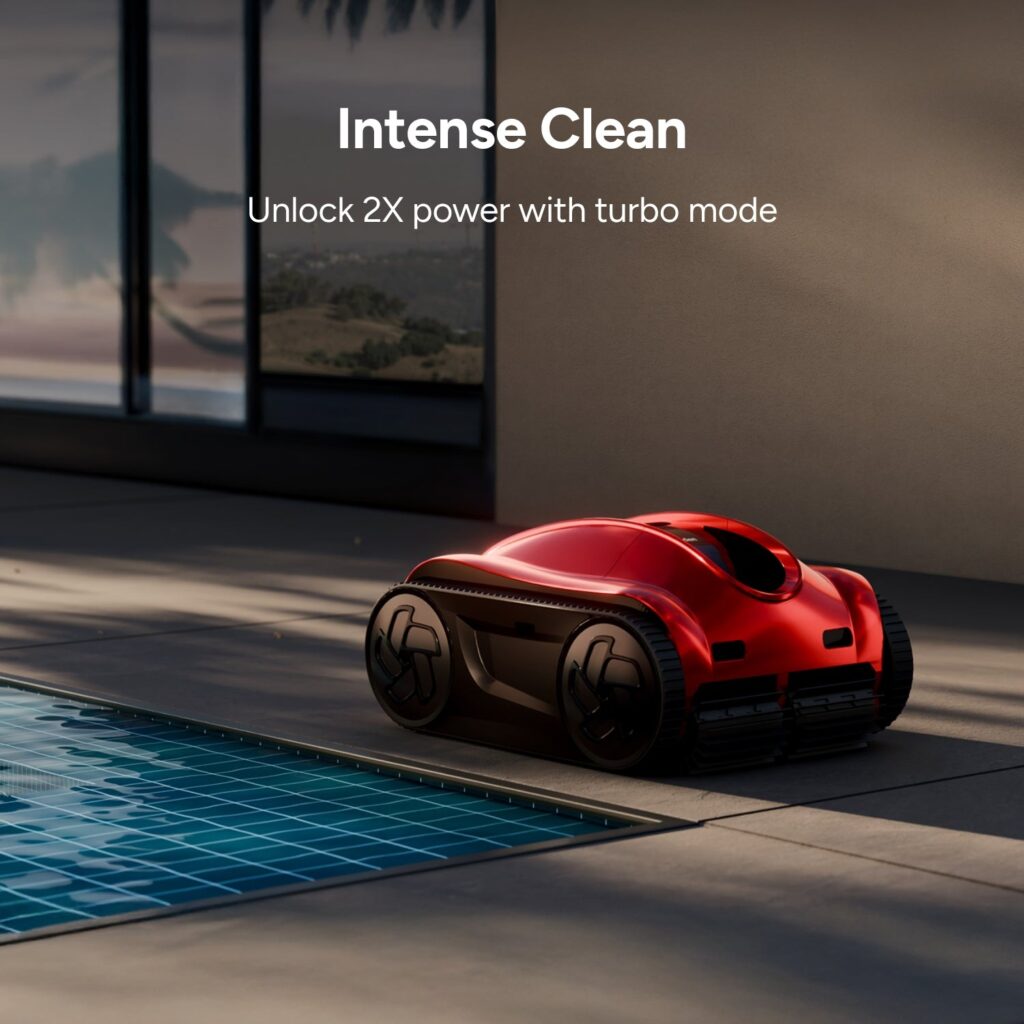
For corded models, look for swivel cables that resist tangling during operation. For cordless units, battery runtime is the defining spec — you need enough charge to complete your pool’s full surface area in one session without interruption. Climbing ability determines whether the unit can scale walls and handle the waterline, while dual-action brushes (scrubbing and rolling) manage different surfaces from textured concrete to smooth vinyl. Programmable scheduling and app connectivity — a feature increasingly common among smart home platforms like iGarden — let you automate cleaning cycles entirely, meaning the robot works while you’re away. Each of these features translates directly into less hands-on effort and a consistently cleaner pool with lower energy consumption.
See also: How Technology and Asian Finance Indices Are Guiding Indian Portfolio Decisions
Finding the Perfect Match: A Buyer’s Guide for Homeowners
Choosing the right robotic pool cleaner becomes straightforward when you follow a structured selection process tailored to your situation. Start by assessing your pool itself — determine whether it’s above-ground or in-ground, estimate its volume in gallons, and identify the surface material (vinyl liner, fiberglass, concrete, or tile). Each of these factors eliminates certain models immediately and highlights others designed for your exact conditions.
Next, define your priorities honestly. Do you value cordless convenience over extended runtime? Is weekly scheduled cleaning more important than budget savings? Rank what matters most so you’re not swayed by features you’ll rarely use. Then set a realistic budget, keeping in mind that mid-range models often deliver the best balance between capability and affordability for typical residential pools. With your requirements clear, shortlist two or three models and compare them side by side using the features from the previous section — navigation type, filtration quality, battery life or cord length, and climbing ability. Read verified owner reviews focusing on long-term reliability rather than first-impression excitement. Finally, confirm warranty coverage and accessible customer support, as these protect your investment when issues arise down the road.
Top Considerations for Efficient Pool Maintenance
Owning a robotic pool cleaner isn’t a set-and-forget proposition — it works best as the centerpiece of a streamlined maintenance routine. Running your robot two to three times per week keeps debris from accumulating and prevents algae from gaining a foothold, though pools surrounded by heavy foliage or experiencing high bather loads may benefit from daily cycles. Before each session, spend two minutes skimming large leaves, twigs, or floating debris from the surface. This prevents the robot’s filter from clogging prematurely and ensures maximum suction throughout the cleaning cycle.
After each run, empty and rinse the filter canister thoroughly — trapped organic matter left sitting in a warm cartridge breeds bacteria and degrades filtration performance over time. Inspect the brushes monthly for wear, replacing them when bristles flatten or rubber edges tear, since worn brushes lose their grip on biofilm and fine sediment. When the swimming season ends, remove the robot from the pool, drain all internal water, clean every component, and store it in a cool, dry location away from direct sunlight to protect seals and electronics. If your unit stops moving mid-cycle, check for tangled cable or debris wrapped around the drive tracks first — these account for most operational hiccups. A well-maintained robot reduces your chemical consumption by keeping organic contaminants out of the water, meaning less chlorine demand and fewer pH swings, ultimately cutting both your workload and ongoing costs.
Cost vs. Value: Investing in a Robotic Pool Cleaner
The upfront cost of a robotic pool cleaner gives some homeowners pause, but the math tilts heavily in favor of ownership when you examine the full picture. Consider the time savings alone: manual cleaning typically consumes four to six hours per month between vacuuming, brushing walls, and skimming. Over a six-month swim season, that’s roughly thirty hours of labor reclaimed — time better spent actually enjoying your pool. Beyond hours saved, a robotic cleaner reduces chemical consumption by continuously removing organic matter before it decomposes and drives up chlorine demand. Many owners report cutting their chemical spending by twenty to thirty percent annually once consistent robotic cleaning keeps contaminant levels low.
Compare this to hiring a professional pool service, which can cost hundreds of dollars monthly for weekly visits. A robotic cleaner pays for itself within one to two seasons while delivering daily cleaning capability rather than once-a-week service. There’s also the longevity factor — pools maintained with consistent automated cleaning experience less surface staining, reduced algae damage, and fewer filter system repairs. When selecting a model, resist the urge to buy the cheapest option available. A mid-range unit built with durable motors, quality brushes, and reliable navigation will outlast a bargain model by years, delivering stronger performance per dollar spent over its lifespan. Think of it as investing in both your free time and your pool’s long-term health.
Making the Right Choice for Your Pool and Lifestyle
Selecting the right pool cleaning robot comes down to matching the machine to your specific circumstances rather than chasing the flashiest marketing claims. Start by understanding the fundamental distinction between cordless and corded models — cordless units deliver convenience and portability for smaller pools, while corded robots provide the sustained power and runtime that larger in-ground pools demand. From there, evaluate the features that directly impact cleaning performance: smart navigation for thorough coverage, quality filtration for crystal-clear water, adequate battery life or tangle-free cord management, and climbing capability suited to your pool’s surfaces and geometry. Follow the structured buyer’s guide to assess your pool type, define your priorities, set a realistic budget, and compare shortlisted models against verified owner experiences. The best robotic pool vacuum cleaner isn’t necessarily the most expensive or feature-packed — it’s the one that aligns with your pool’s size, surface material, and your personal maintenance goals. Use the framework outlined here to make your choice with confidence, and transform pool upkeep from a dreaded weekly chore into an automated background task that simply happens while you enjoy the water.


