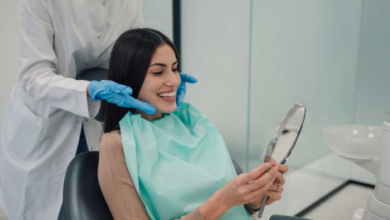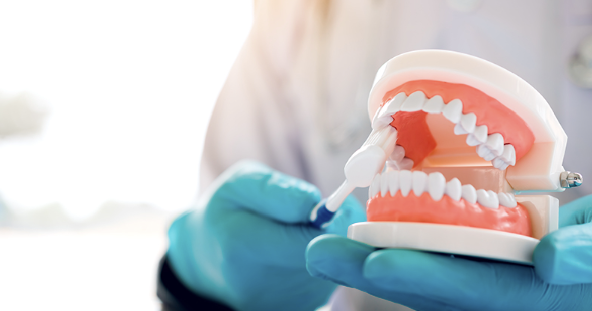
Your daily brushing and flossing matter. Yet they work best when you have the right guidance and support. General dentistry gives you that structure. Routine visits help you catch small problems early. They also help you learn simple habits you can keep at home. A dentist in Aurora, IL checks your teeth, cleans away stubborn plaque, and shows you where trouble often starts. Then you leave with clear steps you can use that same night. Regular checkups turn chaos into a steady plan. You stop guessing about products, techniques, and timing. Instead, you gain a plain routine that fits your life. This blog explains how general dentistry shapes better care at home. It shows how checkups, cleanings, and honest talks with your dentist build strong habits. You deserve a mouth that feels clean and pain-free every day.
Why office visits change what you do at home
You only see your dentist a few times each year. You care for your mouth every single day. That is why each visit must shape what you do at home. You get clear feedback. You get a plan. You get simple tools.
During a general visit, your dentist does three things. The dentist checks, cleans, and teaches. Each part links to what you do in your bathroom sink.
- Check for early tooth decay and gum disease
- Clean away plaque and tartar you cannot reach
- Teach you how to brush and floss for your mouth
Early disease often has no pain. You may feel fine while trouble grows. Regular exams close that gap. You stop guessing and start knowing.
What your dentist sees that you cannot
You see the front of your teeth. Your dentist sees the full mouth. The dentist checks your gums, tongue, cheeks, and bite. The dentist also studies X-rays when needed. That view shows weak spots before they break.
The Centers for Disease Control and Prevention explains that nearly half of adults have gum disease. Many people never notice early bleeding or swelling. Your dentist spots these changes and links them to habits at home.
Then you get clear reasons for each step. You learn where you miss with the brush. You see which teeth trap food. You see how grinding or clenching harms enamel. That clear link makes change feel urgent and real.
How cleanings support your daily brushing
Brushing and flossing slow plaque. They do not remove hardened tartar. Only a trained team with the right tools can do that. If tartar stays on teeth, it irritates the gums. That leads to redness, bleeding, and bone loss over time.
After a cleaning, you feel smooth tooth surfaces. That smoothness makes brushing and flossing at home easier. Less roughness means less plaque sticks. Then your daily work goes further.
The American Dental Association explains basic brushing and flossing steps here at the MouthHealthy brushing guide. Your dentist can show you how to follow those steps for your mouth. The team may suggest a soft brush, a powered brush, or floss tools that match your grip and mouth size.
Simple home routines shaped by your dentist
General dentistry turns vague advice into a specific plan. You leave with three clear parts.
- How often to brush and floss
- Which products to use
- Which spots need extra care
Your plan may include these steps.
- Brush two times each day for two minutes
- Use a fluoride toothpaste in a pea-sized amount
- Angle the brush toward the gumline
- Floss once each day before bed
- Use a small brush or floss picks for tight spaces
- Rinse with a fluoride mouthwash if your dentist suggests it
You also learn how food and drink affect your teeth. You may make small changes. You may switch from sipping sweet drinks all day to drinking them with meals. You may add water between snacks. These steps protect your enamel and gums while you rest at night.
See also: 5 Major Advantages of Intensive Outpatient Program for Mental Health
Comparing habits with and without regular general dentistry
The table below shows common differences between people who see a general dentist often and those who wait until there is pain.
| Habit or Outcome | With regular general dentistry | Without regular general dentistry |
|---|---|---|
| Brushing routine | Twice daily, full two minutes | Often once daily or rushed |
| Flossing habit | Daily, correct method | Rare or only before visits |
| Product choices | Fluoride paste and brush picked for your mouth | Random brands and brush types |
| Problem detection | Small cavities found early | Decay found when pain starts |
| Gum health | Less bleeding and swelling | Higher chance of gum disease |
| Dental costs over time | More cleanings and small fixes | More root canals and extractions |
| Confidence in home care | Clear plan and feedback | Uncertainty and guesswork |
Supporting children and older adults at home
Family care often feels heavy. General dentistry lightens that load. You get short lessons you can share with children and older adults.
For children your dentist can
- Show brushing as a game with simple steps
- Suggest fluoride treatments or sealants when needed
- Teach you how to guide their hand on the brush
For older adults your dentist can
- Check for dry mouth from medicines
- Teach safe cleaning for dentures or partials
- Adjust tools for weak grip or limited reach
You then build home routines that respect each person. You keep care simple and kind.
Turning fear into action
Many people avoid general dentistry because of fear, shame, or past hurt. That delay often leads to more pain. A calm visit can break that pattern. Your dentist has seen many mouths in many states. There is no judgment. There is only the next step.
You can start by telling the team what scares you. You can ask for clear warnings before each step. You can agree on a hand signal to pause. Those small controls help your body relax. Then you can hear the advice that protects you at home.
Putting it all together
General dentistry and home care are not separate. They work as one system. Office visits reset your mouth, reveal hidden trouble, and sharpen your routine. Home care keeps that progress steady between visits.
When you use both, you gain three things. You gain less pain. You gain lower costs over time. You gain trust in your own daily care. That trust can feel rare and strong.
Your next step is simple. Schedule a general visit. Ask clear questions. Then follow the plan at home morning and night. Each small choice protects your smile and your body for years.