
Healthy teeth do not happen by accident. They come from small choices you repeat over time. Preventive dentistry protects you from painful surprises that drain your energy and your wallet. Regular cleanings, exams, and simple daily habits stop small problems before they turn into infections, broken teeth, or tooth loss. You may feel tempted to wait until something hurts. That delay often leads to longer treatment, higher costs, and lasting damage. When you work with a dentist in Denton TX who focuses on prevention, you gain early warning, clear guidance, and steady support. You also protect your gums, jaw, and even your heart health. Preventive care helps you chew, speak, and smile with confidence as you age. It gives you control instead of crisis. This blog explains how routine care now shields you from long term oral issues later.
How Tooth Decay And Gum Disease Start
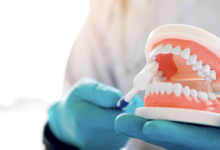
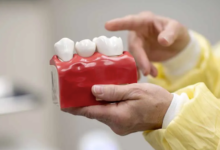
Tooth decay and gum disease build up step by step. They do not explode overnight. Plaque forms on your teeth every time you eat or drink. It holds bacteria that feed on sugar. These bacteria release acid that eats away at your enamel. Over time, this can create cavities.
At the same time, plaque along your gumline can cause your gums to swell and bleed. That early stage is gingivitis. If you ignore it, the infection can spread deeper. Then you face periodontitis, which can damage bone and cause loose teeth or tooth loss.
You stop this chain when you remove plaque early. You also stop it when you catch changes before they spread. That is the core of preventive dentistry.
Daily Habits That Protect Your Mouth
Your home routine has three strong steps. Together, they protect your teeth and gums from daily harm.
- Brush twice a day with fluoride toothpaste
- Floss once a day to clean between teeth
- Limit sugary drinks and snacks
According to the Centers for Disease Control and Prevention, nearly half of adults 30 and older have some form of gum disease. You lower your risk when you clean your mouth every day.
You also protect your children when you guide their brushing and flossing. You set patterns that can last for life.
What Happens At A Preventive Dental Visit
A routine visit is simple. It also carries strong long-term value. A typical preventive visit includes three parts.
- Cleaning. A hygienist removes plaque and tartar that brushing and flossing miss. This cuts your risk of cavities and gum disease.
- Exam. A dentist checks your teeth, gums, jaw, and mouth tissue. You get early warning on weak spots, cracks, and signs of infection.
- X rays when needed. Images show decay between teeth, bone loss, and other hidden issues.
Sometimes you also get fluoride treatment or sealants. Fluoride strengthens enamel. Sealants cover the grooves on back teeth to reduce decay in children. The National Institute of Dental and Craniofacial Research explains how sealants protect children’s teeth.
See also: How General Dentistry Ensures A Healthy Smile At Every Stage Of Life
Preventive Care Versus Treatment After Problems Start
Waiting for pain feels easier in the short term. Over time, it often leads to more time in the chair and more cost. The table below compares common preventive steps with treatment after problems grow.
| Type of Care | Example Service | Average Time In Chair | General Cost Level | Long Term Impact |
|---|---|---|---|---|
| Preventive | Routine cleaning and exam | 30 to 60 minutes | Low | Protects enamel and gums. Finds problems early. |
| Preventive | Fluoride and sealants | 15 to 30 minutes | Low to moderate | Lowers risk of cavities. Helps children avoid fillings. |
| After Problems Start | Filling for a cavity | 30 to 60 minutes | Moderate | Repairs damage. Does not restore natural strength. |
| After Problems Start | Root canal and crown | 1 to 2 visits | High | Saves tooth structure. Often needed after deep decay. |
| After Problems Start | Tooth removal and replacement | Multiple visits | High | Replaces lost tooth. Does not match the full natural function. |
This table shows one clear pattern. Early care is shorter, less costly, and less stressful. Late care often brings more visits and more strain.
How Prevention Protects Your Whole Body
Your mouth connects to the rest of your body. Inflammation in your gums can link with heart disease, diabetes, and pregnancy issues. Bacteria from gum infections can enter your bloodstream. Over time, that can stress your heart and blood vessels.
You protect your whole body when you protect your gums. Regular cleanings remove the bacteria that trigger swelling. Routine exams help your dentist spot dryness, sores, or signs of other health issues. Sometimes changes in your mouth are the first sign of a bigger problem.
You gain better control over long-term health when you treat your mouth as part of your body, not as a separate piece.
Preventive Dentistry For Children, Adults, And Older Adults
Every age group needs prevention, but the focus shifts as you age.
- Children. You focus on teaching brushing, flossing, and healthy snacks. Sealants and fluoride cut decay in new teeth.
- Adults. You guard against stress grinding, gum disease, and early bone loss. Regular visits help you manage work and family demands without dental emergencies.
- Older adults. You watch for dry mouth from medicines, root decay, loose teeth, and changes in fit of dentures or bridges.
Across all ages, the pattern stays the same. Small steady steps beat rare big fixes.
How To Build A Strong Preventive Plan
You can protect your mouth with three clear moves.
- Schedule a cleaning and exam every six months or as your dentist suggests.
- Brush twice a day, floss once a day, and drink water often.
- Talk with your dentist about sealants for children and fluoride use for your family.
You also help your dentist help you when you share any pain, bleeding, or changes in your bite. Early talk leads to early action.
Take Control Before Problems Grow
Preventive dentistry gives you power. You choose steady care over sudden crisis. You keep your natural teeth longer. You protect your comfort, your speech, and your smile.
You do not need to wait for pain. You can act now. With regular visits and strong daily habits, you can avoid many long-term oral issues and protect your health for years.