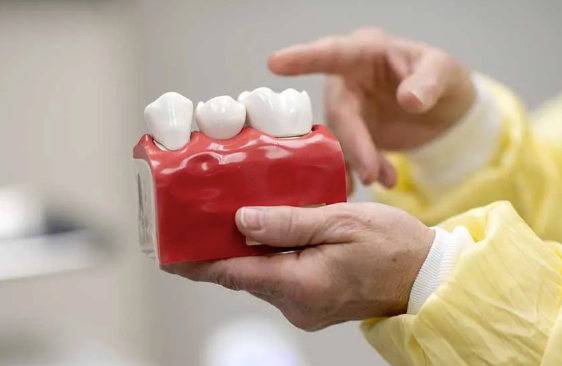
When you face serious gum disease or missing teeth, you deserve a team that works together. Collaboration between dentists and periodontists protects your mouth, your comfort, and your confidence. A general dentist sees the full picture of your daily oral health. A periodontist focuses on the gums and bone that hold your teeth in place. Together, they catch problems early, plan treatment that fits your life, and lower the chance of painful repeat procedures. This partnership becomes even more important when you need tooth replacement. For example, successful Albuquerque dental implants depend on healthy gums, strong bone, and careful long-term follow-up. Joint care reduces guesswork. It also limits mixed messages that can leave you confused or afraid to move forward. You get one clear plan, one united message, and a better chance at a strong, steady smile.
What Each Specialist Brings To Your Care
You see your general dentist for cleanings, fillings, and routine exams. That routine care often uncovers early gum problems or loose teeth. Your dentist tracks changes in your mouth over many years. This long view helps spot slow damage that you might miss.
A periodontist has extra training in diseases of the gums and bone. This training includes surgery on soft tissue and bone, and advanced treatment for gum infections. When your dentist and periodontist share findings, they build a stronger plan for you.


Here is a simple comparison.
| Type of care | General dentist | Periodontist |
|---|---|---|
| Routine checkups and cleanings | Yes | Only for complex gum cases |
| Cavities and basic repairs | Yes | Rare |
| Early gum disease | Screening and basic treatment | Guidance for higher risk patients |
| Advanced gum disease | Referral and support | Main treatment and surgery |
| Dental implants | Crowns and follow up | Implant placement and bone support |
| Gum grafts and bone grafts | No | Yes |
Why Gum Health Affects Your Whole Body
Gum disease does not stay quiet. Bacteria and inflammation spread through your bloodstream and strain your heart and immune system. The Centers for Disease Control and Prevention explains that almost half of adults over 30 have some form of gum disease.
When your dentist and periodontist share test results and treatment notes, they can line up your mouth care with your medical care. This is important if you live with diabetes, heart disease, pregnancy, or use tobacco. The team can time treatment around your medicines, blood sugar control, and other health needs.
This shared planning cuts down on stress. You do not have to repeat your story at every visit. You do not have to guess who is in charge. The team already agreed on a path that respects your health, your time, and your money.
How Teamwork Improves Dental Implant Success
Dental implants replace missing teeth with posts placed in the bone. These posts must join with healthy bones and stable gums. A periodontist checks bone thickness, gum quality, and signs of infection. A dentist plans the shape, size, and fit of the crown or bridge that sits on the implant.
When they work together, three things improve.
- Planning is safer. Your team can see weak spots in the bone or gum before surgery.
- Placement is more exact. The implant goes where the final tooth will work best for biting and cleaning.
- Healing is watched closely. Both providers watch for swelling, pain, or loose parts.
Research reviewed by the National Institutes of Health shows that gum disease and smoking raise the risk of implant failure. For more details, you can see an overview on dental implants from NIDCR. A united team can help you quit smoking, treat gum infections, and choose the right time for implant surgery.
Benefits You Feel In Daily Life
The effects of this teamwork show up in your daily routine.
- Fewer surprises. Your providers share X-rays and notes, so hidden problems are less common.
- Clear messages. You receive one set of instructions for brushing, flossing, and follow-up visits.
- Less time off work or school. Combined planning can group treatments and reduce repeat visits.
This clear structure supports children, busy parents, and older adults. Caregivers also gain clear written plans that explain what to watch for at home. Pain, bleeding, and loose teeth are not brushed aside. They are tracked and treated with care.
See also: How Cosmetic Dentistry Goes Beyond Appearances To Improve Health
When You Should Ask For A Periodontist
You do not need to wait for severe pain to ask about a periodontist. You can raise the question at your next dental visit. Here are signs that a joint approach can help.
- Gums that bleed when you brush or floss
- Bad breath that does not improve with cleaning
- Teeth that feel loose or shifting
- Receding gums that show more of the tooth
- Planned dental implants, bridges, or full dentures
- A history of diabetes, heart disease, or heavy tobacco use
You can ask three simple questions.
- Do I show signs of gum disease right now
- Would a periodontist add anything to my care
- How will you share my records with that specialist
Taking The Next Step For Your Mouth Health
You deserve care that feels steady, honest, and united. Collaboration between your dentist and a periodontist offers that. Together they protect the foundation of your smile and your ability to chew, speak, and enjoy food.
You can protect yourself by staying on a simple path. Keep regular checkups. Follow home care instructions. Speak up about gum symptoms. Ask who is on your care team and how they share information.
Your mouth is part of your body. When your providers work as one, your whole health gains strength.