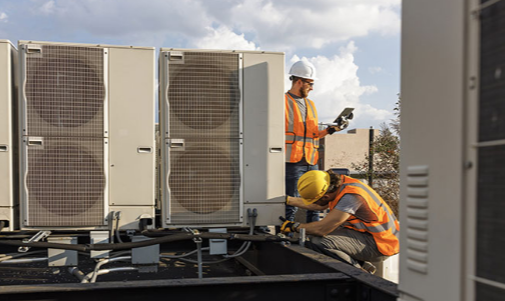
For most businesses, a commercial HVAC system is one of the largest and most critical investments in a facility. Yet many organizations still operate in a “repair it when it breaks” mode. While emergency HVAC repairs may seem unavoidable, they often cost far more than planned preventive maintenance. Understanding the cost difference between preventive maintenance and Commercial HVAC repair service can help businesses make smarter, more budget-friendly decisions.
What Is Preventive HVAC Maintenance?
Preventive maintenance involves scheduled inspections and servicing designed to keep HVAC systems running efficiently and catch issues before they escalate.
Typical preventive maintenance tasks include:


- Filter replacement and coil cleaning
- Checking belts, motors, and electrical connections
- Inspecting refrigerant levels
- Testing controls, sensors, and safety systems
- Cleaning drain lines and pans
These services are usually performed quarterly or biannually depending on system size and usage.
What Is Emergency HVAC Repair?
Emergency HVAC repair occurs when a system unexpectedly fails or operates at a level that disrupts business operations. These situations often happen:
- During peak summer or winter seasons
- Outside normal business hours
- When small issues go unnoticed
Emergency calls typically involve urgent diagnostics, immediate part replacement, and overtime labor.
Cost Comparison: Preventive Maintenance vs. Emergency Repair
1. Service & Labor Costs
Preventive Maintenance:
- Planned, scheduled service
- Standard labor rates
- Lower overall cost per visit
Emergency Repair:
- After-hours or rush service fees
- Higher labor rates
- Premium charges during peak seasons
➡️ Emergency repairs often cost 2–3 times more than routine maintenance visits.
2. Repair & Replacement Expenses
Preventive Maintenance:
- Minor fixes (belts, sensors, cleaning)
- Early detection of wear and tear
- Reduced likelihood of major component failure
Emergency Repair:
- Sudden failure of compressors, motors, or controls
- Expensive parts and rushed replacements
- Potential need for temporary cooling or heating solutions
3. Energy Efficiency Costs
Preventive Maintenance:
- Clean components run more efficiently
- Stable system performance
- Lower monthly energy bills
Emergency Repair:
- Inefficient operation before failure
- Increased energy consumption
- Higher utility costs leading up to breakdowns
4. Business Downtime & Productivity Loss
Preventive Maintenance:
- Scheduled during off-hours or low-occupancy periods
- Minimal disruption to operations
Emergency Repair:
- Unplanned downtime
- Reduced employee productivity
- Customer discomfort or lost revenue
For industries like retail, healthcare, and manufacturing, downtime can far exceed the repair cost itself.
5. Equipment Lifespan
Preventive Maintenance:
- Extends HVAC system lifespan
- Delays costly system replacement
- Protects capital investments
Emergency Repair:
- Repeated breakdowns accelerate wear
- Shortens equipment life
- Forces premature system replacement
Real-World Cost Perspective
Businesses that invest in preventive maintenance often spend 20–40% less annually on HVAC-related costs compared to those relying on reactive repairs. More importantly, they gain predictability in budgeting and fewer operational surprises.
Which Approach Is Better for Your Business?
While emergency repairs can’t always be avoided, relying on them as a strategy is costly and risky. Preventive maintenance:
- Reduces emergency callouts
- Improves energy efficiency
- Protects employee comfort and safety
- Provides long-term cost savings
Final Thoughts
When comparing commercial hvac preventive maintenance service vs. emergency HVAC repair, the financial advantage is clear. Preventive maintenance is an investment in reliability, efficiency, and business continuity—while emergency repairs are an expensive reaction to avoidable problems.