Introduction to UPS Uses
In today’s technology-driven world, uninterrupted power is no longer a luxury—it’s a necessity. From homes and offices to hospitals and industries, electrical devices depend heavily on a stable power supply. This is where ups uses become extremely important. A UPS, or Uninterruptible Power Supply, provides immediate backup power during outages and protects equipment from voltage fluctuations.
Power failures can happen anytime due to storms, equipment faults, or grid overloads. Even a short power interruption can cause data loss, hardware damage, or service disruption. UPS systems act as a safety net, ensuring that devices continue running smoothly or shut down safely when power fails.
This article explores the most important ups uses across various sectors, explaining how these systems protect lives, data, and investments while improving efficiency and reliability.


What Is a UPS and How It Works
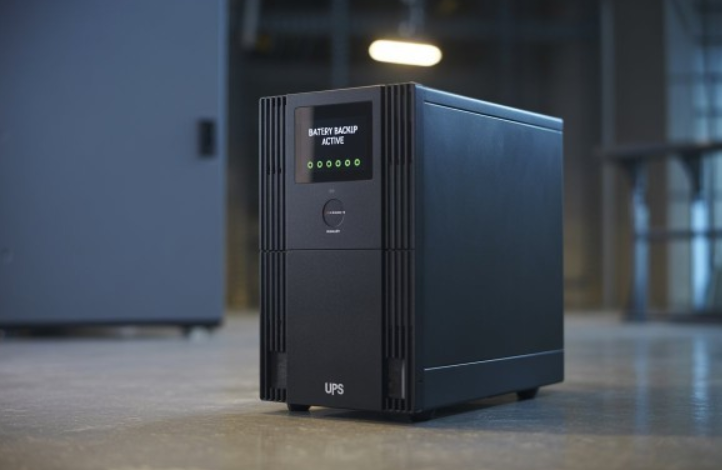
A UPS is an electrical device that supplies emergency power when the main power source fails. Unlike generators, a UPS provides instant power without delay.
Basic Components of a UPS
- Battery: Stores electrical energy
- Inverter: Converts DC power to AC power
- Rectifier: Converts AC to DC to charge the battery
- Control Circuit: Manages power flow and safety
Types of UPS Systems
- Offline (Standby) UPS
- Line-Interactive UPS
- Online (Double Conversion) UPS
Each type serves different ups uses, depending on power sensitivity and backup duration needs.
See also: Your Complete Guide to Cleaning Supplies for a Cleaner Home or Business
Why UPS Systems Are Important Today
Modern life relies on electronics—computers, servers, medical machines, and communication systems. Power disturbances can damage these devices permanently. UPS systems ensure:
- Continuous operation during outages
- Protection from surges and spikes
- Safe shutdown of sensitive equipment
- Reduced financial losses
These benefits explain why ups uses are expanding rapidly across all sectors.
UPS Uses in Residential Settings
UPS systems are no longer limited to businesses. Many homeowners now rely on them for daily comfort and safety.
Protecting Home Electronics
Televisions, gaming consoles, desktops, and smart home devices are sensitive to voltage changes. A UPS prevents sudden shutdowns and protects internal components.
Backup Power for Wi-Fi and Routers
Internet connectivity is essential for work-from-home users. One of the most practical ups uses is keeping routers and modems running during power cuts.
UPS Uses in Offices and Small Businesses
Small businesses cannot afford downtime. Even a few minutes of power loss can interrupt operations and damage reputation.
Data Protection for Computers
UPS systems give employees enough time to save work and shut down systems safely, preventing file corruption.
Ensuring Business Continuity
From billing systems to customer support, UPS systems keep essential operations running until power is restored.
UPS Uses in IT and Data Centers
Data centers are the backbone of the digital economy, making ups uses critical in this sector.
Server Protection
UPS systems stabilize voltage and provide backup power to servers, preventing crashes and hardware damage.
Preventing Data Loss
Sudden power loss can corrupt databases. UPS systems ensure continuous data processing and safe transitions to generators.
For more technical guidance, you can explore resources from trusted organizations like APC by Schneider Electric: https://www.apc.com
UPS Uses in Healthcare Facilities
Healthcare is one of the most sensitive areas where power reliability can save lives.
Powering Medical Equipment
Life-support machines, ventilators, and monitoring devices rely heavily on UPS systems.
Supporting Emergency Systems
UPS systems ensure lighting, alarms, and emergency communication remain active during outages.
UPS Uses in Industrial Environments
Industrial operations require consistent power for safety and productivity.
Machinery Protection
UPS systems prevent sudden shutdowns that can damage heavy machinery or cause accidents.
Reducing Downtime
Minimized downtime leads to higher efficiency and lower maintenance costs—one of the key industrial ups uses.
UPS Uses in Educational Institutions
Schools and universities depend on digital tools for learning. UPS systems protect computer labs, smart boards, and online exam systems from power interruptions.
UPS Uses in Telecommunication Systems
Telecom towers and network equipment must operate 24/7. UPS systems ensure uninterrupted voice and data services during power failures.
UPS Uses for Renewable Energy Systems
UPS systems complement solar and wind energy setups by stabilizing power output and storing excess energy for later use.
UPS Uses in Banking and Financial Sectors
Banks rely on UPS systems to protect transaction servers, ATMs, and security systems. One power failure can result in major financial losses.
Environmental and Energy Efficiency Benefits
Modern UPS systems are energy-efficient and reduce electronic waste by extending equipment lifespan. Many models support eco-mode operations.
Choosing the Right UPS for Your Needs
When selecting a UPS, consider:
- Power capacity (VA rating)
- Backup time
- Load type
- Scalability
- Battery life
Choosing correctly ensures you get maximum value from ups uses.
Common Myths About UPS Systems
- UPS is only for computers ❌
- UPS replaces generators ❌
- UPS consumes too much power ❌
Understanding the truth helps users make informed decisions.
FAQs About UPS Uses
1. What are the most common ups uses?
UPS systems are commonly used for computers, servers, medical equipment, and communication systems.
2. Can a UPS run home appliances?
Small UPS systems support electronics, while larger models can power selected appliances.
3. How long does a UPS provide backup power?
Backup time depends on battery capacity and load, ranging from minutes to hours.
4. Is UPS necessary for Wi-Fi routers?
Yes, one of the most practical ups uses is maintaining internet connectivity during outages.
5. Does a UPS protect against power surges?
Yes, UPS systems regulate voltage and protect devices from spikes.
6. How often should UPS batteries be replaced?
Typically every 3–5 years, depending on usage and environment.
Conclusion
The importance of ups uses continues to grow as our dependence on technology increases. From protecting household electronics to ensuring life-saving medical equipment remains operational, UPS systems play a vital role in modern society. They provide reliability, safety, and peace of mind across residential, commercial, and industrial applications.
Investing in the right UPS system is not just about backup power—it’s about protecting data, equipment, and human lives. As power demands rise, UPS systems will remain an essential part of a resilient and efficient electrical infrastructure.