Your daily brushing and flossing shape your health more than you think. Yet you may still wonder if you are doing it right. A routine visit with a general dentist gives you more than a quick cleaning. It gives you clear steps for care at home. You learn which toothbrush to use, how hard to brush, and how to clean the spots you keep missing. You also see how your habits show up on your teeth and gums. That feedback can feel harsh. It is also honest and useful. Through regular checkups, your dentist in Hoffman Estates, IL helps you spot small problems before they turn into pain or high costs. You leave with a simple plan you can follow in your own bathroom. You gain control, not confusion.
Why General Dentistry Matters For Your Home Routine
You brush every day. You may floss most days. Yet plaque still builds up. Cavities still appear. Bleeding gums still worry you. General dentistry connects those home habits to real results in your mouth. You see what is working and what is not working.
During a checkup, your dentist and hygienist look at three things. They look at your teeth. They look at your gums. They look at your daily habits. Then they connect them. That link is where you gain power. You stop guessing. You start using clear steps that match your mouth, your age, and your health.
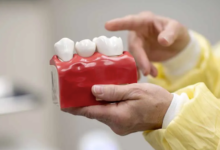
How Your Dentist Checks Your Current Habits
Your visit starts with a review of your daily care. You may feel uneasy when you answer. That is normal. You might say you brush twice a day but floss only when food gets stuck. You might use a hard brush because it feels strong. You might scrub fast because you are tired.
Then your dentist checks your mouth and compares it to what you shared. For example:
- Red or swollen gums can point to rushed brushing or no flossing.
- Wear on the enamel can point to brushing with too much force.
- Stained spots between teeth can point to skipped flossing.
- Cavities in back teeth can point to weak brushing in those corners.
This review is not a judgment. It is a map. Each problem links to a habit. Each habit can change.
Clear Guidance On Brushing That Fits Your Mouth
Many people never learn how to brush in a way that protects their teeth and gums. General dentistry visits fill that gap. Your dentist gives you simple steps you can use that same night.
Common brushing guidance includes:
- Brush two times a day for two minutes each time.
- Use a soft bristle brush that bends against the gumline.
- Hold the brush at a small angle toward the gumline.
- Use small gentle circles. Do not scrub back and forth.
- Clean the outer, inner, and chewing surfaces of every tooth.
- Replace your toothbrush every three to four months.
The Centers for Disease Control and Prevention notes that tooth decay is one of the most common chronic conditions. Good brushing is one of your strongest tools to fight it.
Flossing And Cleaning Between Teeth
Flossing feels hard for many people. Your fingers slip. The floss cuts your gums. You forget at night. General dentistry gives you choices that fit your hands and your schedule.
Your dentist may walk you through:
- How to slide the floss gently between teeth.
- How to wrap it in a C shape around each tooth.
- How to move it up and down without snapping.
- How to reach back teeth with a floss holder or picks.
You might also hear about small brushes that fit between teeth or water flossers. Those tools help if you have braces, bridges, or tight spaces. You leave knowing which tool to choose and how often to use it.
Choosing The Right Products For Your Family
Store shelves can feel crowded. There are many brushes, pastes, rinses, and whitening products. General dentistry cuts through that noise. Your dentist looks at your risks and needs and gives you plain advice.
Here is a simple comparison you might review together.
| Product Type | Best For | Key Benefit At Home |
|---|---|---|
| Soft manual toothbrush | Most children and adults | Gentle on gums while cleaning daily plaque |
| Electric toothbrush | People with weak grip or rushed habits | Helps you brush longer and reach more surfaces |
| Fluoride toothpaste | Everyone unless told otherwise | Strengthens enamel and lowers cavity risk |
| Fluoride mouth rinse | Higher cavity risk or braces | Reaches spots brushing and flossing may miss |
| Floss or floss picks | Teeth that touch | Removes plaque and food between teeth |
Your dentist may also use guidance from the National Institute of Dental and Craniofacial Research when talking about fluoride and decay prevention.
Setting A Routine That Fits Your Real Life
Good advice means nothing if you cannot follow it. General dentistry focuses on what you can manage each day. You might have small children, shift work, or health limits. Your dentist helps you build a simple routine that fits those limits.
You might agree to:
- Brush after breakfast and before bed.
- Floss at night while you watch a short show.
- Keep a travel brush at work or school.
- Use a timer or song to reach two minutes.
You leave with two or three clear steps, not a long list. That short plan is easier to follow and easier to track.
See also: How General Dentistry Ensures A Healthy Smile At Every Stage Of Life
Using Checkups As Course Corrections
Every checkup is a chance to adjust your home care. You can bring your questions. You can share what felt hard. You can ask for new tools or different tips. Your dentist can show you new spots that need focus and praise the progress you already made.
Over time you see a pattern. Cleanings get easier. Bleeding stops. New cavities slow or stop. Your home care and your checkups start to support each other. That steady cycle protects your mouth and your budget.
Turning Guidance Into Lifelong Habits
General dentistry does more than fix problems. It trains you and your family to protect your own health. You learn simple skills. You pass them to your children. You show them that care at home matters as much as any visit.
You do not need perfect teeth to start. You only need a clear plan and the will to follow it. With steady guidance from your dentist and honest effort at home, you can keep your smile strong, your pain low, and your worry quiet.