What to Do in the First 24 Hours After Water Damage: A Kansas City, Missouri Homeowner Guide

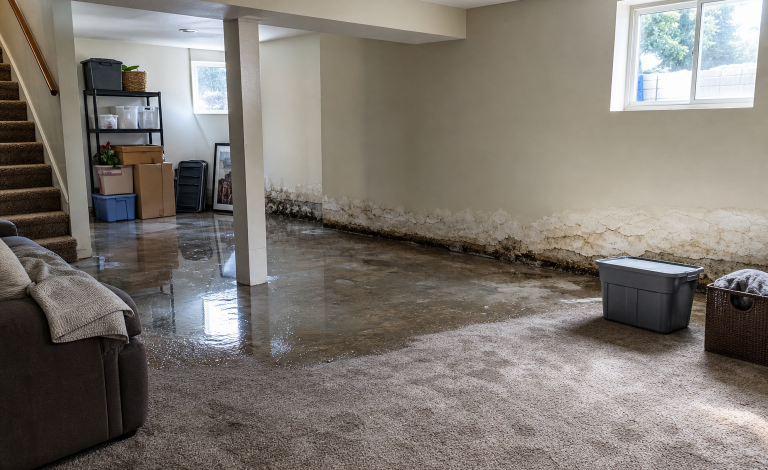
A burst pipe during a cold Kansas City night, a washing-machine leak, a backed-up drain, or stormwater entering a basement can create more damage than is visible at first. Even after the flow stops, moisture can continue moving into carpet padding, subfloors, drywall, cabinetry, insulation, and wall cavities.
The goal during the first day is not to rush into cleanup without a plan. It is to protect people, stop further water intrusion, document the loss, and begin proper drying. For widespread or difficult losses, water damage restoration from Frontier Restoration can provide extraction, structural drying, moisture monitoring, sanitization, and reconstruction support for homeowners across the greater Kansas City area, including communities such as Olathe, Lenexa, Blue Springs, Liberty, and Lee’s Summit. Its residential service focuses on identifying visible and hidden moisture so owners can make informed recovery decisions.
Step One: Make Sure the Property Is Safe


Keep children, pets, and anyone with health vulnerabilities away from the affected space. Do not walk through standing water near outlets, appliances, extension cords, power strips, or an electrical panel. A ceiling that is bowed, stained, or sagging may contain trapped water and can collapse unexpectedly.
- Do not touch wet electrical equipment.
- Do not stand beneath a sagging ceiling.
- Do not enter sewage, floodwater, or unknown water without appropriate protection.
- Do not use a standard household vacuum to collect standing water.
- Leave the area and call emergency help when structural or electrical hazards cannot be controlled safely.
Step Two: Stop the Water Source
If the leak comes from a toilet, sink, refrigerator line, washing machine, or similar fixture, close its local shutoff valve if it is safe to reach. If that does not stop the flow, shut off the home’s main water supply. Do not enter a wet or unstable area simply to reach a valve. Roof leaks, groundwater, and storm-related intrusion may require help from a roofer, plumber, utility provider, or emergency mitigation crew.
Step Three: Document Before You Move or Discard Items
Take wide photos of every affected room, then take close-up photos of wet floors, walls, ceilings, furniture, appliances, and the likely source. Create a basic list of damaged belongings, including approximate age and value when known. Save receipts for emergency supplies, temporary lodging, cleanup work, and repairs. Early documentation gives you a clearer record when speaking with an insurer, landlord, property manager, or contractor.
For flood-related losses, the EPA’s flooded-home cleanup guidance advises taking pictures before cleanup and emphasizes waiting to reenter until the home is safe, particularly when electricity, structural damage, or contaminated floodwater may be involved.
Step Four: Identify the Type of Water
The source of the water affects how cautiously you should respond and what materials may be salvageable.
- Clean water may come from a supply line or another source that has not been contaminated with waste or chemicals.
- Gray water can come from appliances, showers, or some drain backups and may contain contaminants.
- Contaminated water includes sewage, toilet waste, floodwater, and water exposed to unknown substances.
Do not treat contaminated water as a casual do-it-yourself project. It can affect cleanup methods, protective equipment, disposal decisions, and whether porous materials should be removed.
Step Five: Protect What Can Be Saved
When the area is safe, move documents, photographs, medications, small electronics, and valuables to a dry location. Remove loose rugs, curtains, and lightweight belongings. Put plastic blocks or foil beneath furniture legs to reduce contact with wet flooring. Avoid dragging heavy furniture across carpet or wood floors, since it can spread moisture, scratch surfaces, and cause injury. Photograph items before disposal unless they pose an immediate health or safety concern.
Step Six: Remove Standing Water and Begin Drying
Towels and mops may be useful for a small clean-water spill on a safe, hard surface. Larger losses often need professional extraction equipment. Visible water is only part of the problem, since moisture may remain beneath flooring, behind baseboards, inside insulation, or in wall cavities.
Drying should begin as quickly as conditions allow. The EPA recommends drying water-damaged areas and items within 24 to 48 hours when possible to help prevent mold growth. Air movement, dehumidification, and repeated moisture checks work together. Opening windows is not always useful, especially when outdoor air is warm and humid.
Step Seven: Know What May Need Removal
Some materials hold water long after a surface feels dry. Carpet padding, swollen particleboard, saturated insulation, soft drywall, and damaged ceiling tiles may require removal. In some situations, hardwood flooring, trim, cabinetry, and drywall can be saved when the response is quick and the water is clean. The right decision depends on the material, water source, saturation level, and length of exposure. Avoid major tear-out before documenting the damage and checking insurance requirements unless safety requires immediate action.
Step Eight: Contact the Right Professionals
Call a plumber for an active plumbing failure, an electrician for suspected electrical damage, and a roofer for a roof-related intrusion. Consider a qualified water-damage professional when water has spread beyond a small area, reached structural materials, involved contamination, or created a musty odor. Ask for moisture readings, photographs, a written scope of work, and a clear explanation of what can be dried, cleaned, or replaced.
Insurance Questions to Ask Early
- Can emergency mitigation begin before an adjuster visits?
- What documentation is required for damaged belongings and emergency expenses?
- What deductible applies to this type of water loss?
- Does the policy address temporary housing if part of the home is unsafe?
Policies differ, so do not assume every source of water damage is covered. Notify the insurer promptly, but do not ignore an active leak or worsening safety hazard while waiting for an inspection.
Common Mistakes That Make Damage Worse
- Turning on the power in a wet area.
- Painting over a water stain before finding and correcting the moisture source.
- Throwing away belongings before photographing them.
- Assuming a dry surface means the materials below it are dry.
- Waiting several days because the leak appears to have stopped.
What to Do After the First 24 Hours
Continue drying until the affected materials have been evaluated and moisture conditions are acceptable for the structure. Check daily for musty odors, bubbling paint, swollen trim, soft flooring, new stains, or changes around baseboards and cabinets. Keep a file with photos, receipts, contractor notes, equipment records, insurance communications, and repair decisions.
Frequently Asked Questions
How quickly can mold become a concern after water damage?
Moisture should be controlled quickly. Water-damaged areas and belongings should be dried within 24 to 48 hours when possible.
Should wet drywall always be removed?
No. The decision depends on contamination, saturation, structural condition, and whether the material can be dried effectively. Soft, swollen, contaminated, or weakened drywall may not be suitable for restoration.
Can hardwood floors be saved?
Some hardwood floors can be dried in place when action begins quickly. Prolonged saturation, severe cupping, delamination, or contaminated water can change the recommendation.
Is it safe to sleep in a home with water damage?
It depends on electrical safety, structural stability, contamination, indoor air conditions, and the location of the damage. When those issues are uncertain, seek qualified guidance before remaining in the home.
Conclusion: Safety, Speed, and Good Records Matter
In Kansas City homes, water can move quickly through finished basements, split-level layouts, and concealed building materials. Protect people first, stop the source when safe, document the damage, remove standing water carefully, and start thorough drying without delay. When water is widespread, hidden, contaminated, or unsafe, professional evaluation can help prevent a manageable leak from becoming a much larger repair.