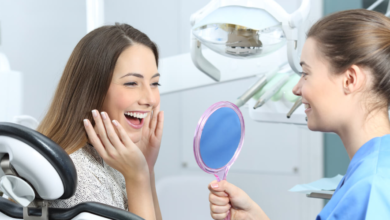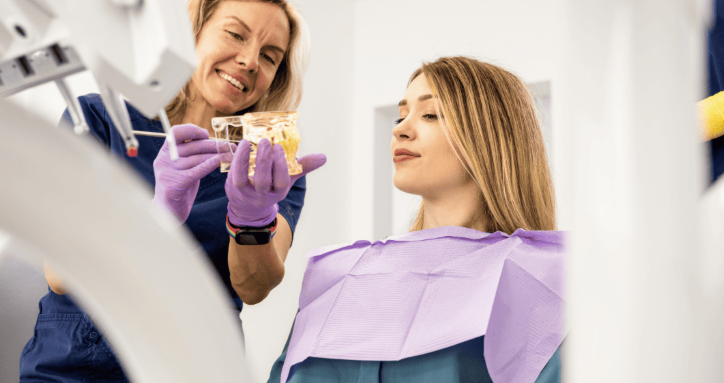
Dental implants can restore your bite and your confidence. Yet the days after surgery often feel tense and uncertain. You may worry about pain, infection, or harming the new implant. That fear is common. You are not alone. Proper care in the first weeks protects healing and helps your implant last. This guide shares 6 clear steps you can follow at home. You will see how to clean your mouth, manage swelling, choose food, and protect the surgery site. You will also know when to call your Oral Surgeon for Bernards NJ for help. Each tip is simple. Each one has a clear reason. When you follow them, you lower the risk of problems and protect your health. Your job is to keep the implant clean, steady, and safe while your body does the rest.
1. Keep the implant site clean from day one
Clean care reduces infection risk and protects the bone around your implant. You need gentle cleaning from the start.
- Do not brush the surgery site on the first day unless your surgeon says to.
- Rinse with warm salt water after meals. Use 1 cup of warm water and one-half teaspoon of salt.
- Brush the rest of your teeth twice a day with a soft brush.
The National Institute of Dental and Craniofacial Research explains that clean gums support strong implants. You protect healing tissue when you remove food and plaque without rubbing the stitches.
2. Control swelling and pain without harming healing
Swelling and pain feel harsh, but they are part of early healing. Your goal is steady control without pressure on the implant.
- Use an ice pack on your cheek for 15 minutes at a time during the first day.
- Keep your head raised on an extra pillow while you rest.
- Take pain medicine only as your surgeon directs.
Do not place heat on the surgery site. Heat pulls blood into the area and may increase bleeding. Cold keeps swelling in check and helps you stay calm enough to eat and drink, which your body needs for repair.
See also: 3 Advantages Of Year-Round CPA Consultations
3. Choose soft foods that protect the implant
Food choice can protect or damage your implant. You need enough protein and fluids. You also need to avoid chewing stress on the new post.
Food choices during the first week after implant surgery
| Food type | Safer choices | Foods to avoid | Reason |
|---|---|---|---|
| Proteins | Eggs, yogurt, cottage cheese, soft beans | Steak, jerky, chewy chicken | Hard chewing can move the implant and strain stitches. |
| Carbs | Oatmeal, mashed potatoes, pasta, rice | Crusty bread, chips, crackers | Sharp crumbs can cut the gum near the implant. |
| Snacks | Smoothies, applesauce, bananas | Nuts, popcorn, granola bars | Small hard pieces can get trapped in the surgical site. |
| Drinks | Water, milk, non citrus juices | Alcohol, very hot drinks, carbonated drinks | Alcohol and heat slow healing. Bubbles can irritate tissues. |
Eat on the opposite side of your mouth when you can. Also, take small bites. That simple habit protects the implant from sudden force.
4. Protect the implant from pressure and injury
The implant needs stillness while bone grows around it. Any extra pressure can undo that work.
- Do not touch the implant site with your fingers or tongue.
- Avoid smoking and vaping. They lower blood flow and slow healing.
- If you grind your teeth, ask your surgeon about a night guard.
The American Dental Association notes that strong clenching can shorten the life of implants. You protect your long-term result when you keep the bite gentle during the first months.
5. Watch for warning signs and act fast
Some changes are normal. Others signal trouble. You keep control when you know the difference and call early.
- Normal signs include mild swelling, light bleeding, and soreness that improves after a few days.
- Warning signs include strong pain that gets worse, heavy bleeding, bad taste, or pus.
- Loose stitches or a loose healing cap also need quick review.
Call your surgeon at once if you have a fever, spreading swelling, or trouble swallowing. Quick treatment can stop infection and protect the bone around the implant.
6. Follow up with your surgeon and keep daily habits
Healing does not end when the pain fades. Your implant needs steady care for life.
- Keep all follow-up visits even when you feel fine.
- Ask about floss or special brushes for implants once the site heals.
- Plan regular cleanings and exams every 6 months or as advised.
These visits let your surgeon and dentist check the gum, bone, and bite. Small changes can be fixed before they turn into bone loss or implant failure.
Support for you and your family
Implant surgery affects the whole family. You may need help with meals, rides, and child care during the first days. Share these six tips with those close to you. That way, they can support your food plan, remind you about medicine, and help watch for warning signs.
With clean care, soft foods, protection from pressure, and close follow-up, your implant can stay strong for many years. You give your body what it needs. Your surgeon gives you guidance and support. Together, you protect your new smile and your health.