Healthy teeth start with what you do at home, not in the chair. Family dentistry connects those two worlds. It turns short visits into clear steps you can use every day. A trusted Enfield dentist can watch how your whole family cares for teeth. Then you get simple routines that match your real life. Children copy what they see. Parents set the tone. Grandparents share stories. A family dentist sees those links and uses them to shape steady habits. You learn how to brush, clean between teeth, and watch sugar without guesswork. You also hear the truth about risk, pain, and cost. That truth can push you to act sooner and stay on track. Over time, small daily choices at home replace fear and delay. Your family gains calm, control, and fewer dental shocks.
How Family Dentistry Shapes Daily Routines
Family care gives you one office, one record, and one clear message. That unity helps you build habits that stay.
At each visit your dentist can
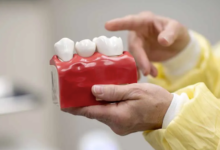
- Review brushing and flossing for every age
- Check early signs of decay or gum trouble
- Adjust advice to your family schedule and budget
This routine makes dental care feel normal. Not special. Not scary. Just part of life like washing hands or buckling a seat belt.
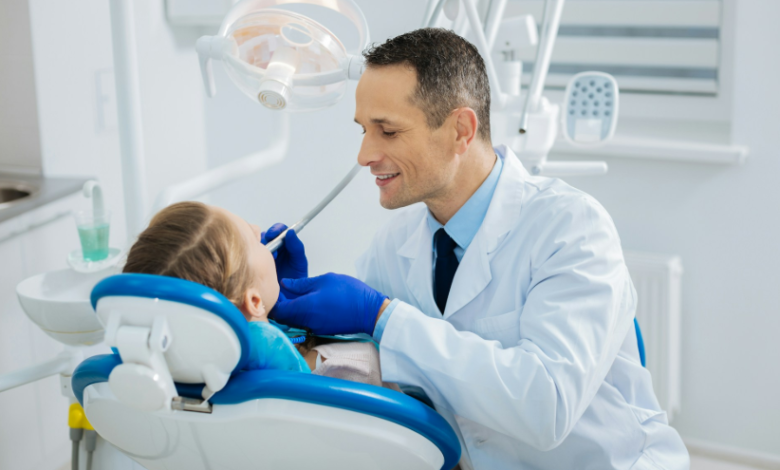
Children see parents sit in the same chair and answer the same questions. That shows that care is for everyone. It also makes home rules about brushing feel fair and shared.
Why Habits At Home Matter So Much
Teeth face sugar, acid, and bacteria all day. A cleaning twice a year cannot undo months of neglect. Home care fills the long gap between visits.
Research from the Centers for Disease Control and Prevention shows that tooth decay is one of the most common chronic problems in children. Yet it is almost always preventable with strong home routines.
Core habits include
- Brushing two times a day with fluoride toothpaste
- Cleaning between teeth once a day
- Limiting sweet drinks and snacks
A family dentist repeats these steps at every visit. That steady message can cut through confusion from ads or social media.
The Power Of Learning Together
When the whole family sees the same provider, you get shared lessons. You also get a shared plan.
During a visit your dentist might
- Show a child how to brush with a small mirror
- Coach a teen on soda use and sports drinks
- Talk with parents about gum care and stress
Each talk links back to the same simple rules. That repeats the message in three ways. You hear it. You see it. You act on it at home.
Older family members can also share what happens when care slips. That story can carry more weight than any brochure.
See also: How Cosmetic Dentistry Goes Beyond Appearances To Improve Health
Comparing Strong Habits And Weak Habits
Small daily choices add up over the years. The table below shows how different home habits can affect your health and your wallet.
| Home habit pattern | Typical daily actions | Common results over 5 years | Likely cost impact |
|---|---|---|---|
| Strong family habits with regular visits | Brush twice. Floss once. Limit sugary snacks. See a dentist every 6 months. | Fewer cavities. Mild gum issues found early. Less pain. | More checkups. Fewer fillings and urgent visits. Lower total cost. |
| Mixed habits with skipped visits | Brush once. Rare flossing. Frequent sweet drinks. Visits only when something hurts. | More cavities. Early gum disease. Sudden pain episodes. | Fewer checkups. More fillings and extra visits. Higher total cost. |
| Weak habits with no routine care | Irregular brushing. No flossing. Constant snacking. No dentist for years. | Many cavities. Severe gum disease. Tooth loss. | Long gaps with no bills. Then large urgent costs for extractions or dentures. |
Family dentistry pushes you toward the first row. It shows how to shift from crisis care to steady care.
How Your Dentist Supports Parents
Parents carry the weight of setting rules. That work can feel lonely. A family dentist gives you backup.
Your dentist can
- Explain to children why brushing matters
- Set clear rules about snacks and bedtime brushing
- Give simple charts or tools that make routines easier
When your child argues about brushing, you can point to the dentist’s advice. That removes some pressure from you. It turns the rule into a shared health plan, not just a house rule.
Helping Children Build Lifelong Habits
Childhood is the best time to build steady routines. The National Institute of Dental and Craniofacial Research shows that early decay can affect sleep, school, and mood.
Family dentists watch for
- Early white spots that show weak enamel
- Thumb sucking or teeth grinding
- Fear that keeps a child from speaking up about pain
Quick action on these signs can prevent deeper problems. That prevents long treatment that can scare a child. It also sends a clear message. Small problems deserve care right away.
Turning Anxiety Into Action
Many people fear dental visits. Past pain or shame about teeth can keep you away. Family dentistry can soften that fear.
When you see the same team often, they learn your triggers. They can
- Explain each step before they start
- Use simple words for children and teens
- Break treatment into short visits when possible
This steady care builds trust. Trust makes it easier to face hard news. It also makes it more likely you will follow home care steps, even when life feels heavy.
Practical Steps You Can Start Today
You can begin better habits now, even before your next visit.
Try three simple steps
- Pick fixed times to brush, such as after breakfast and before bed
- Place floss where you see it so you use it once a day
- Replace one sweet drink with water for each person at home
Then use your next family visit to fine-tune that plan. Ask your dentist what one change would help each person the most. Write those three changes on a note and place it near the bathroom sink or fridge.
Family dentistry does more than fix teeth. It gives your home a clear path. With steady guidance and honest talk you can turn small daily choices into long-term protection for every person you love.