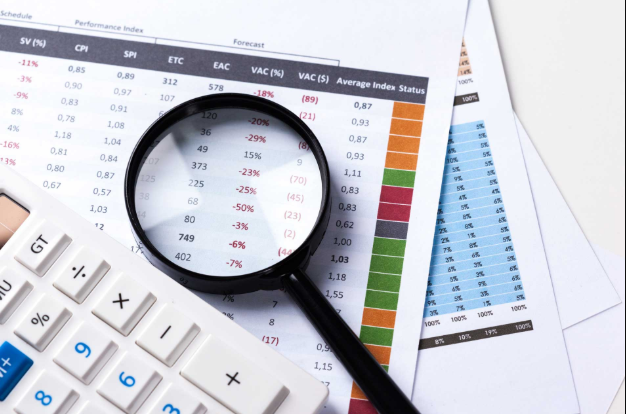
Complex financial statements can feel like another language. Pages of numbers, footnotes, and charts can leave you tired and unsure. You still need to make choices, meet deadlines, and answer to others. You cannot do that well if you do not trust what you see. A CPA in Galveston County, Texas helps you turn that confusion into clear facts. You get straight answers to hard money questions. You see where your cash comes from, where it goes, and what it means for you. You also spot risks before they grow into damage. In this blog, you learn how a CPA breaks big reports into simple pieces. You see how this support protects you during tax time, planning, and audits. You also learn what to ask for so you stay in control of your money story.
What a CPA Actually Looks At
You might feel lost when you see a full set of financial statements. A CPA looks at the same pages and turns them into a clear story you can use. The main reports include three core parts.
- Balance sheet. Shows what you own, what you owe, and what is left.
- Income statement. Shows your income and your costs over time.
- Cash flow statement. Shows how cash moves in and out.
The U.S. Securities and Exchange Commission explains these reports for investors in plain terms.


A CPA reads all three together. You see how one change affects the rest. You stop guessing and start seeing clear links between your choices and your money results.
How a CPA Turns Numbers into Clear Language
You may not want to learn every rule in accounting. You do need the meaning behind the numbers. A CPA gives you that meaning in plain words that match your life and your work.
Here is how that often looks.
- You bring a stack of reports, spreadsheets, or tax forms.
- The CPA checks them for mistakes and missing pieces.
- You sit together and walk through simple charts and key lines.
Instead of long talk, you get short, direct answers.
- “Your cash is tight because customers pay late.”
- “Your profit looks high, but debt payments eat most of it.”
- “Your savings can cover three months of costs. That is thin.”
The goal is not to impress you with big words. The goal is to help you see what is safe, what is at risk, and what needs a clear plan.
Common Problems a CPA Helps You Spot
Many families and small business owners face the same money traps. You might see one of these in your own records.
- High income but low cash in the bank.
- Growing sales but growing debt.
- Large swings from one month to the next.
A CPA tracks these patterns over time. You get early warning before a small strain becomes a crisis. You also see where you have room to breathe and plan.
Simple Comparison of Doing It Alone vs Working with a CPA
The table below shows how your money review can change when you work on your own compared with working with a CPA who explains your statements.
| Task | On Your Own | With a CPA |
|---|---|---|
| Reading reports | You skim and guess at key lines | You get a short walk through of what matters most |
| Finding errors | Hidden mistakes can sit for years | Regular checks catch errors and odd patterns early |
| Planning for taxes | You react near deadlines and feel rushed | You plan during the year and spread choices over time |
| Cash flow control | You watch the bank balance and hope it lasts | You use clear cash reports and set simple rules |
| Explaining numbers to others | You feel unsure when banks or partners ask questions | You bring clear summaries that answer those questions fast |
Support for Families and Small Businesses
Financial statements do not only belong to large companies. You may see them when you run a yard service, a small store, or a rental house. You may also use simple versions for your home budget and savings plans.
A CPA helps you in three clear ways.
- Protect today. You know if you can pay your bills and keep the lights on.
- Plan tomorrow. You see how much you can save for school, a home, or retirement.
- Face shocks. You know what you can cut and what you must guard if income drops.
The Consumer Financial Protection Bureau offers plain money tools for families.
See also: The Role Of Business Accountants In Driving Growth
What You Should Ask Your CPA To Explain
You do not need to sit silent during meetings. You have every right to ask for clear answers. Three questions help you start.
- “What are the three numbers I should watch each month and why.”
- “If my income drops by one third, what breaks first.”
- “What simple change today would help me one year from now.”
You can also ask for short written notes after each meeting. You then share those notes with your spouse, partner, or business team. Everyone sees the same facts. Everyone knows the same risks.
Turning Confusion into Control
Complex reports do not need to rule you. With clear support from a CPA, you can turn rows of numbers into a plain story that guides your next step. You gain three key strengths. You see your true money position. You face problems early. You plan your next move with less fear and more control.
You do not need to love numbers to respect what they tell you. You only need clear facts, honest talk, and a steady guide through the hard parts. A trusted CPA gives you that support so you can protect your home, your work, and your future choices.