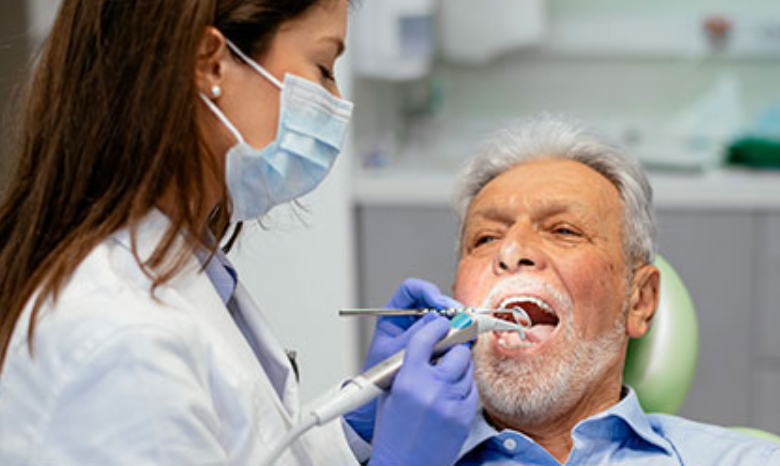
You might not think your mouth tells the story of your body’s health. Yet, it plays a crucial part. Oral health and overall health are linked. For a dentist in Woburn, MA, this means more than handling teeth and gums. Your mouth can show signs of health problems. Heart disease and diabetes often show symptoms in your mouth first. Ignoring oral health can lead to bigger troubles. Gum disease might signal larger issues like inflammation. Unchecked, it can affect your whole system. Understanding this connection is key to staying healthy. Listening to your dentist helps catch potential issues early. Addressing oral problems can improve your overall well-being. Your health deserves attention. Your dentist is more than someone who fills cavities. They help keep your whole body in check. Oral systemic health is not just a trend. It’s a cornerstone of lasting wellness. Embrace the full picture of your health.
Understanding Oral Systemic Health
Many think oral health stops at the gums and teeth. That assumption overlooks the body’s complexity. The mouth serves as a window, offering clues about broader health issues. Bacteria from gum disease can enter your bloodstream. This increases the risk of heart disease and stroke. Your dentist can spot early signs of trouble. By examining your mouth, they can identify potential problems elsewhere in your body.
See also: 5 Major Advantages of Intensive Outpatient Program for Mental Health

Conditions Linked to Oral Health
How does oral health affect the rest of the body? Conditions such as heart disease, diabetes, and even certain cancers connect to oral health.
- Heart Disease: Bacteria from gum disease can affect heart health. Infections in the gums may increase the risk of artery inflammation.
- Diabetes: High blood sugar can lead to gum infections. In turn, gum disease can make it harder to control blood sugar.
- Pregnancy Complications: Pregnant individuals with gum disease face a higher risk of premature birth.
The Role of Dentists
Dentists do more than clean teeth. They provide crucial insight into your overall health. An expert from the CDC states that regular check-ups can prevent major health issues. Dentists look for warning signs during every visit. They spot decay, infections, and other potential flags for systemic health problems.
The Importance of Routine Care
Regular dental visits go beyond aesthetics. They serve as checkpoints for managing your entire health. Here are three reasons why routine care matters:
- Prevention: Early detection of oral issues can prevent larger health problems.
- Monitoring: Dentists track changes in your mouth that might signify other health concerns.
- Guidance: Your dentist provides advice on maintaining oral hygiene that supports overall health.
Comparing Health Risks
| Condition | Oral Health Impact | Possible Systemic Effects |
|---|---|---|
| Gum Disease | Inflamed, bleeding gums | Increased risk of heart disease |
| Diabetes | Increased gum infections | Complicated blood sugar control |
| Osteoporosis | Tooth loss | Bone health issues |
Steps You Can Take
Maintaining oral health benefits more than just your smile. Here’s how you can contribute to both oral and systemic health:
- Brush and floss daily to prevent plaque buildup.
- Visit the dentist regularly for cleanings and check-ups.
- Limit sugary foods and drinks that can harm your teeth and body.
The Bigger Picture
Oral health impacts your entire life. By focusing on your mouth, you protect your heart, manage diabetes, and even support a healthy pregnancy. You can start with simple changes to your routine. Your dentist is a partner in this journey. They provide the knowledge you need to stay healthy. Regular check-ups and a solid oral hygiene routine can make a huge difference. Trust the experts to guide you toward better health.
For more information, visit the National Institute of Dental and Craniofacial Research. They offer valuable insights into the importance of oral health.